20. Her Husband Got A New Favorite
Around this time, Isabella’s husband found himself a new favorite: Hugh Despenser the Younger, a man near his own age who came from a family who had long supported Edward, particularly the patriarch Hugh the Elder. This may have looked like a good thing on the surface, at least for Edward’s personal life—but it was one of the most dangerous acts he could have done.
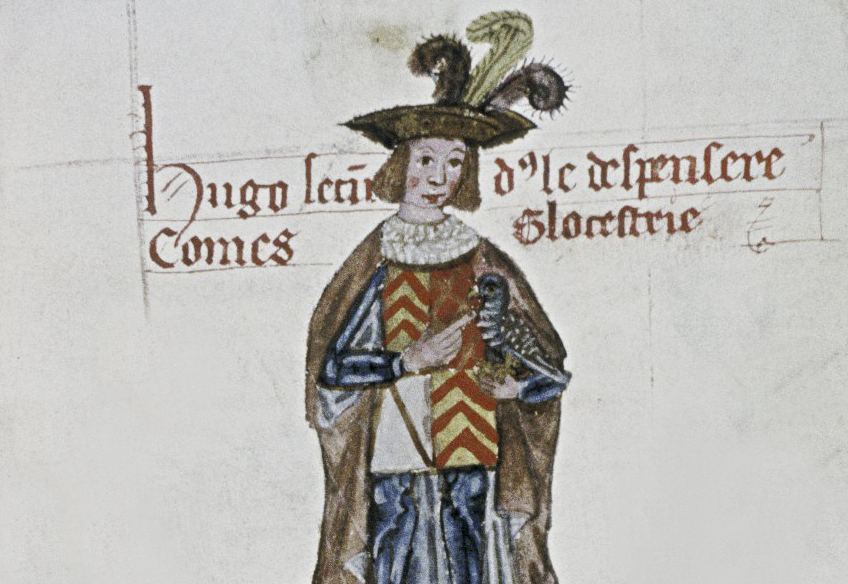 Unknown Author, Wikimedia Commons
21. She Hated His New Man
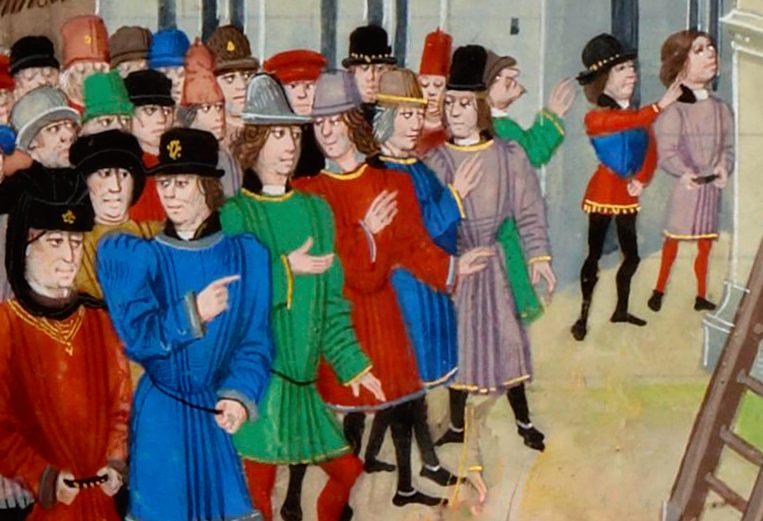
Thanks in fact to their very loyalty to Edward, the Despensers had many enemies at court, and the barons were immediately in an uproar when Edward began, as he had with the late Piers Gaveston, lavishing Hugh with gifts. Only, that was far from the worst issue. Perhaps most crucially, Isabella was unable to develop the same kind of alliance with Hugh as she had eventually fostered with Piers.
With tensions rising, it looked like more fighting would erupt. Then Isabella pulled out a genius move.
 Loyset Liédet, Wikimedia Commons
22. She Begged Him
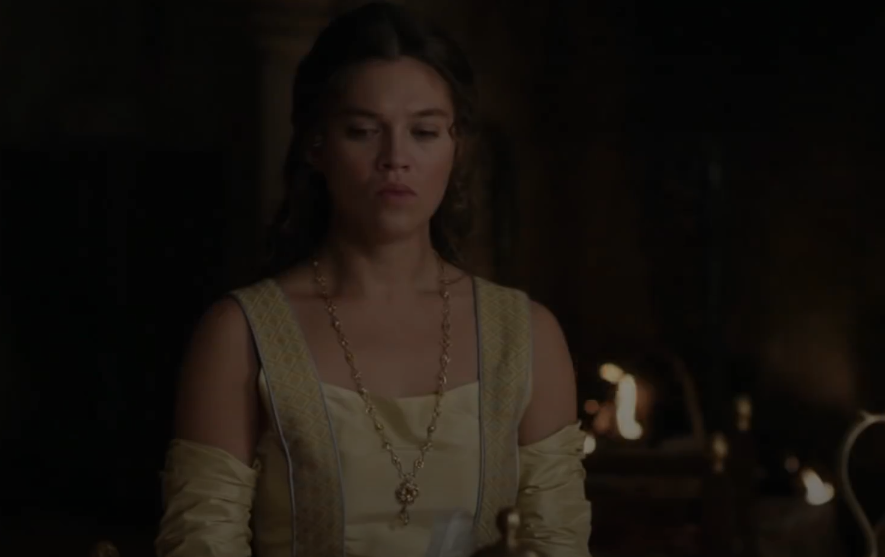
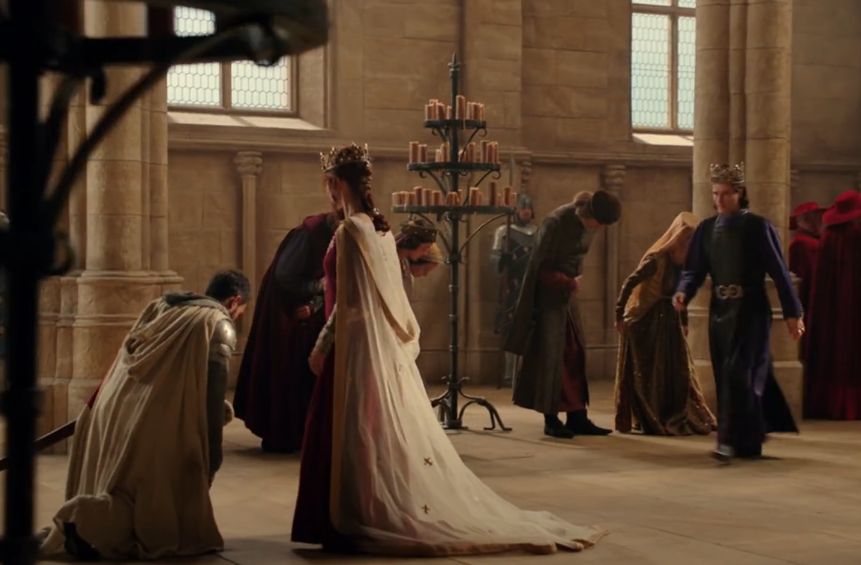
Under the guidance of one of the more moderate and less war-mongering barons, Isabella came up with a plan: She went down on her knees, in public, in a display of womanly weakness and begged her husband to exile the Despensers. Why was this so brilliant? It allowed Edward to do exactly this and avoid war, but only under the guise of appeasing his wife, not his enemies.
In the end though, it was just a brief lull in a bigger disaster.
 A+E Studios, Knightfall (2017-2019)
23. She Made An Enemy
Both Edward and Isabella knew his promise to her was just for show, and before long Hugh and his family were back and in power. This is when it turned truly sour. Some historians suggest Hugh may have tried to assault Isabella at this point, but either way the pair’s dislike of each other reached a fever pitch, and Edward showed Isabella less interest or affection than he ever had.
It all led to one infamous incident.
 A+E Studios, Knightfall (2017-2019)
24. The Scottish Attacked Her
In 1322, Edward and Isabella were camped out and in the thick of fighting once more against Scotland when, in Isabella’s view, Despenser's negligence—or even outright antagonism—resulted in her getting cut off from her husband and his men. Even worse, Scottish troops began pursuing her now-vulnerable household, eventually killing two of her ladies-in-waiting.
When Isabella finally made it to safety, she was furious at Edward and his pet. She let him know it in a sharp way.
 Chris McKenna (Thryduulf), CC BY-SA 4.0, Wikimedia Commons
25. She Stormed Off
Before this point, Isabella had maintained a cordial relationship with Edward. After this point, she broke from him entirely. She left on a nearly year-long trip around England, returning only briefly to meet with Edward again. To make matters worse, tensions with Isabella’s native France and her new realm England were also currently growing.
It was all about to come to a head, and the consequences were brutal.
 Jean Fouquet, Wikimedia Commons
26. Her Husband Punished Her
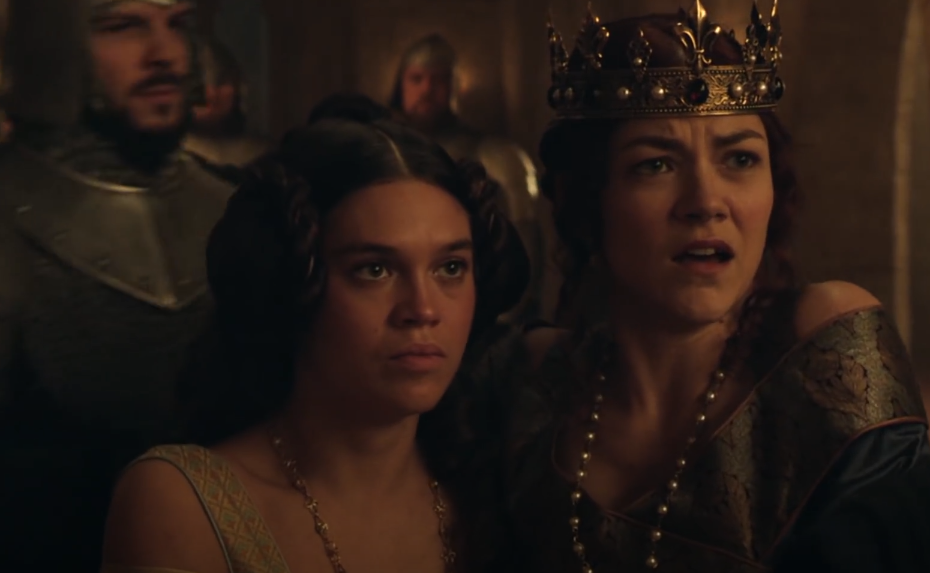
Edward and Hugh Despenser were well aware of Isabella’s ire, and they made sure to dole out a heartless punishment. Fearful of her connections in France in the midst of the tense political landscape, the king and the Despensers snatched Isabella’s lands, overtook her household, put her French staff behind bars, and—worst of all—took her youngest children from her and put them in the Despensers’ care.
It drove Isabella to a desperate conclusion.
 A+E Studios, Knightfall (2017-2019)
27. She Left Her Husband
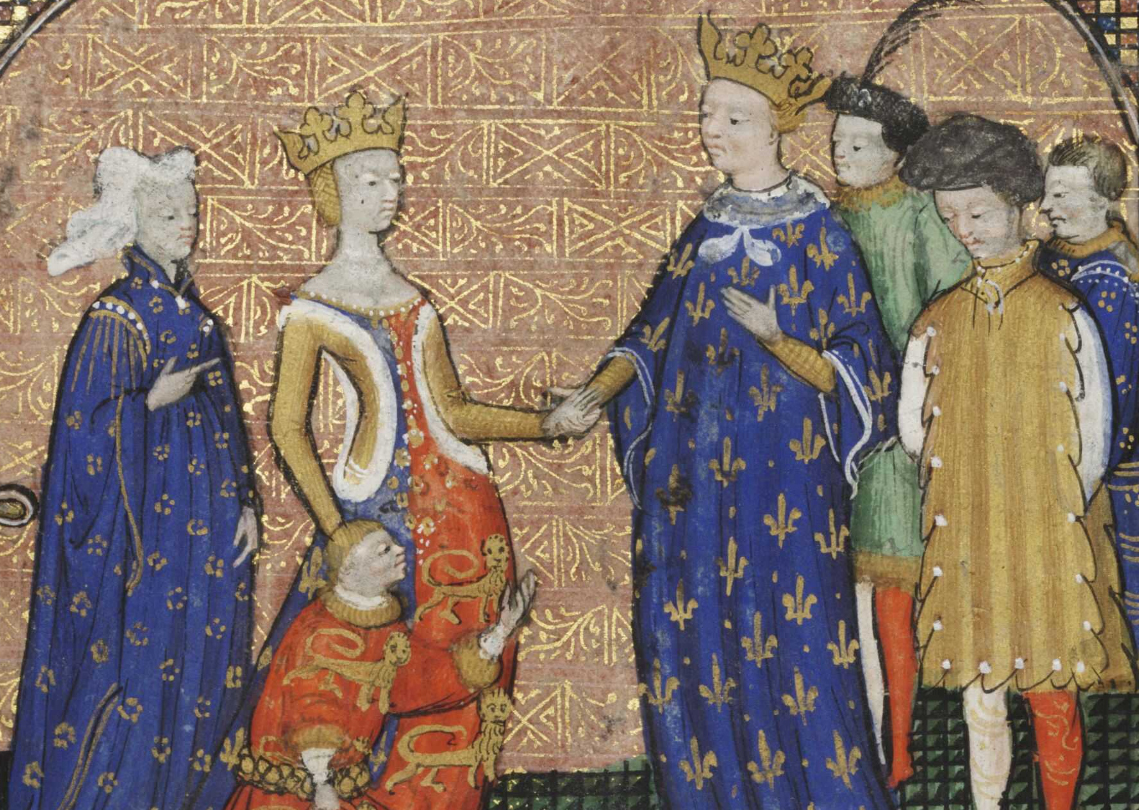
After more French-English bickering, Isabella’s brother, now King Charles IV of France, seized all of King Edward’s French possessions in 1325. In response, Edward charged Isabella with going to her home country and brokering some kind of peace.
It seemed like a win-win: Isabella would get some time away, and England could cool some of the heat on them. Only, it didn’t end up working that way at all.
 Unknown Author, Wikimedia Commons
28. People Were Suspicious
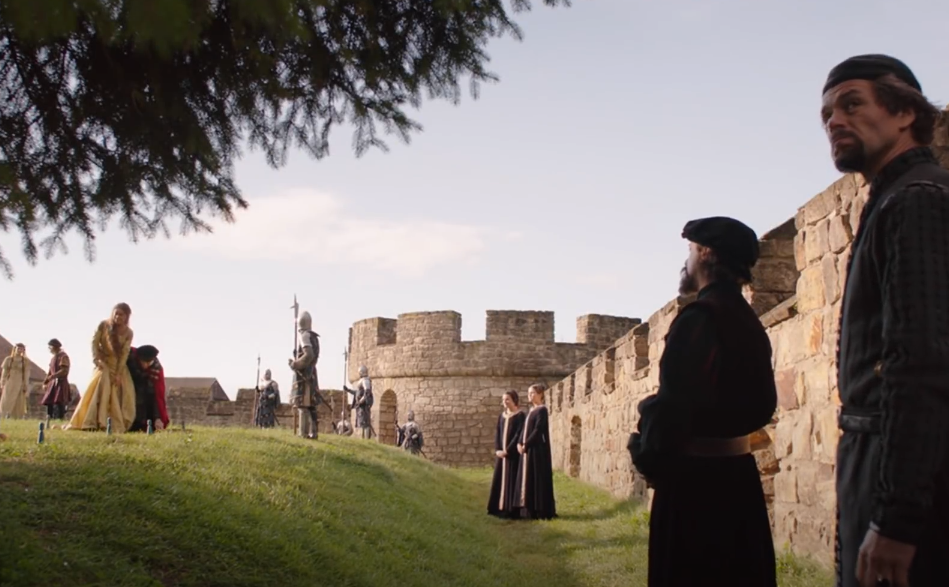
Whatever the ideal optics of Isabella heading to France at this stage in her marriage, many nobles opposed to Edward took it as a sign that the King of England’s power was fracturing. They didn’t know the half of it. Because while Isabella was ostensibly trying to smooth over French and English egos, she was doing something else entirely.
 A+E Studios, Knightfall (2017-2019)

History's most fascinating stories and darkest secrets, delivered to your inbox daily.
29. She May Have Begun A Scandalous Affair
While in the French court, there’s convincing evidence that Isabella began (some even say continued) an affair with Englishman Roger Mortimer, a noble who, like Isabella herself, loved fine art, enjoyed spending money, and had long despised the Despensers. In fact, when it came to rebelling, Mortimer had quite the report card.
 A+E Studios, Knightfall (2017-2019)
30. Her Lover Was Dangerous
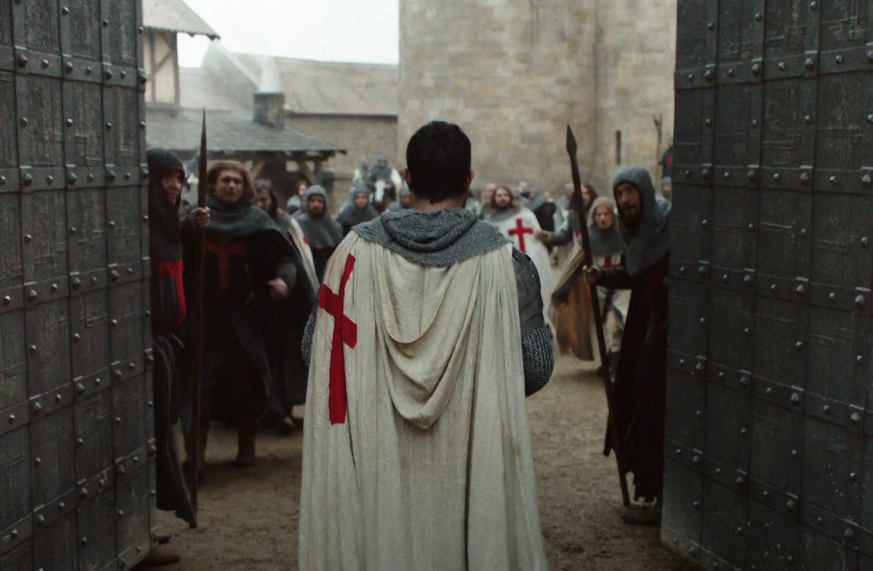
Back in 1321, Mortimer was with a group of other opposing lords in leading the “Despenser War” against Edward’s favorite Hugh and his powerful family. Mortimer got thrown in the Tower of London for his troubles—and made a spectacular escape after some friends in high places drugged his warders at a feast.
In other words, he had priors—and Isabella and her bad boy started planning bad, bad things.
 A+E Studios, Knightfall (2017-2019)
31. She Refused To leave
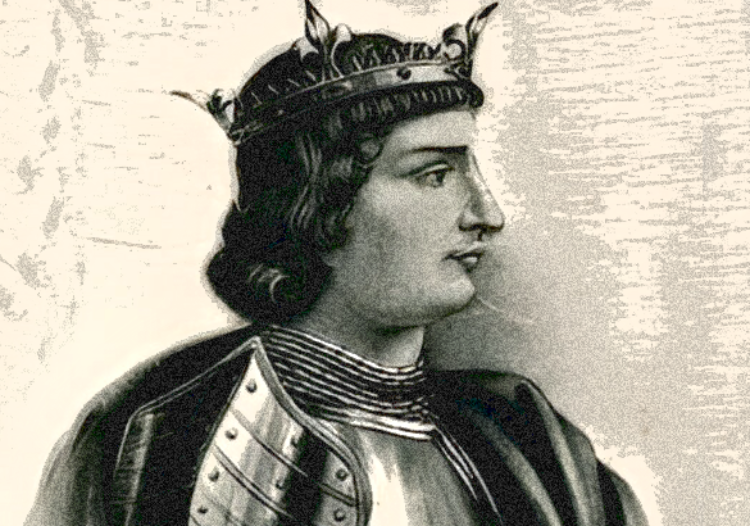
When word of Isabella’s worrying behavior reached King Edward II in England, he began trying to get her—and their teenaged son Prince Edward, who had joined his mother—home and within his own power. Isabella’s response was priceless. She claimed she was afraid the Despensers or one of her other enemies at court would have her killed if she returned.
When Edward appealed to Isabella’s brother King Charles, he got no luck either. Charles only wrote that the "queen has come of her own will and may freely return if she wishes”. Still, the news kept getting worse for Edward.
 Unknown author, Wikimedia Commons
32. She Claimed She Was A Widow
After this, Edward heard near constant reports of Isabella’s alarming life in France. Reportedly, she scandalously surrounded herself with exiles like Mortimer in public, snubbed Edward’s own allies and—perhaps best of all—was dressing in widow’s weeds because she claimed to all who’d listen that Hugh Despenser had ruined her royal marriage.
But in the end, Edward couldn’t have imagined what was coming.
 A+E Studios, Knightfall (2017-2019)
33. She Invaded Her Own Realm
In the middle of 1326, Isabella put a disturbing plan into action. After months of unrest, gathering allies, and stewing in her resentment for her husband, she and her reported lover Roger Mortimer gathered an army, complete with war ships, and set sail to invade England.
Yes, the Queen of England had raised an army against her own husband, and now she was heading right for him.
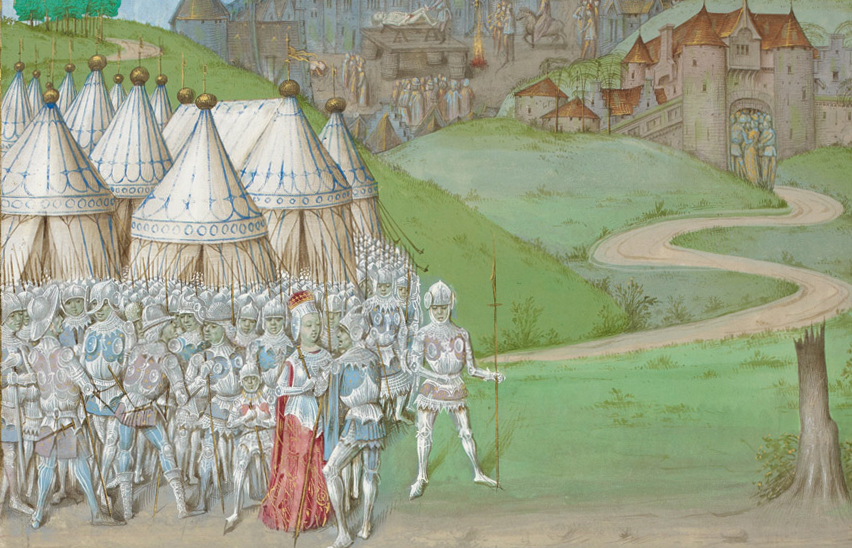 British Library, Wikimedia Commons
34. She Was Greeted As A Savior
Dressed in her widows clothes as she invaded her own realm, Isabella and Mortimer landed in Orwell on the east coast of England and led their troops inland, gathering supporters as they went. This was actually sickeningly easy; most everyone was tired of the Despensers and many greeted her as a “savior”.
When he heard the news of the invasion, King Edward—not ignorant of his unpopularity—fled to Wales. But the noose was already closing in.

35. She Rounded Them Up
Within months, Isabella’s men had not only rounded up Hugh Despenser the Elder, but had also nabbed King Edward II and his favorite Hugh the Younger in their hiding place in Wales. Isabella had her marks, and all that was left to do was punish them. Those punishments, however, were unspeakably brutal.
 A+E Studios, Knightfall (2017-2019)
36. She Doled Out Vicious Retribution
There was no mercy for Isabella’s enemies; even if she wanted to give it, her supporters were bloodthirsty. Hugh Despenser the Elder’s remains were quite literally fed to dogs, while Edward’s favorite, Hugh the Younger, endured men scrawling Biblical verses on his skin before being hanged as a thief, a low insult for a noble-born man, then drawn-and-quartered.
Now Isabella turned to her husband.

37. She Had A Big Problem
In Edward, Isabella had a real problem. Not only was he still her lawful husband, but he was also still the lawful king, and at any moment could foment a counter-strike. Although Parliament decided to depose him and place him under a life sentence of house arrest, she worried they wouldn’t follow through, or that even if they did it would never be enough.
Which is made what happened next particularly shocking.
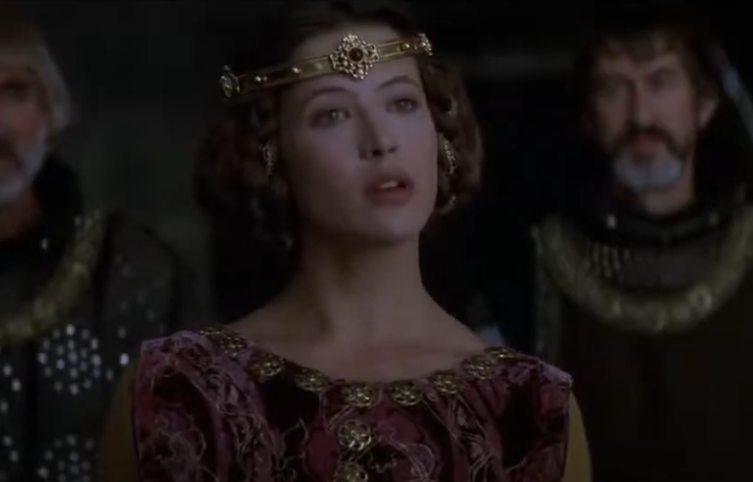
38. A “Fatal Accident” Occurred
By the next September, Edward was a captive in Berkeley Castle by the Welsh borders. Then disaster struck. On the 23rd of that month, Isabella got word that Edward had perished from a frustratingly vague “fatal accident,” turning her son into King Edward III and overleaping all the legal issues that were in front of her.
In the wake of the accident, dark rumors abounded.
 Philip Halling, CC BY-SA 2.0, Wikimedia Commons
39. She Was In A Whodunnit
Given the utter convenience of Edward’s death for Isabella, historians have argued for literal centuries about whether Isabella and Mortimer had him offed. We will likely never know the truth—there is certainly motive for Isabella, but it is possible she simply got lucky and Edward died of ill health in captivity.
Although, there is one even stranger interpretation of events.
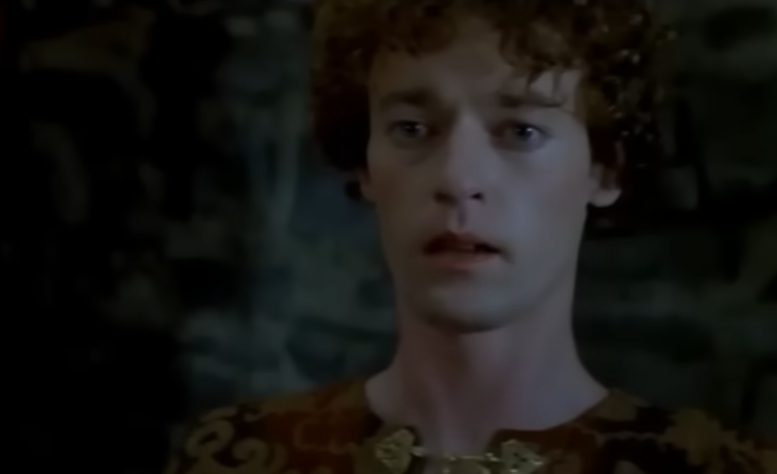
40. He May Have Survived
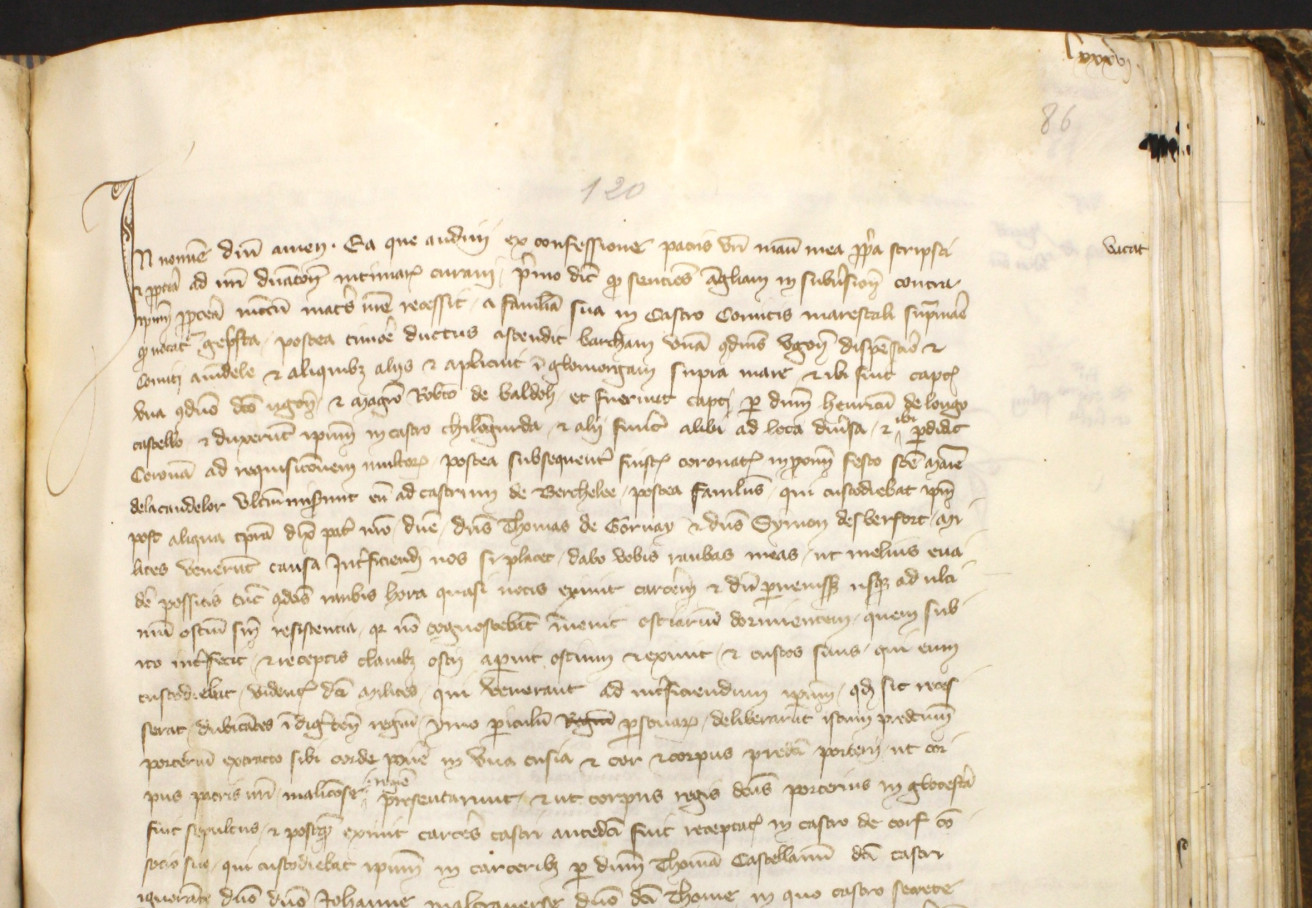
After the news of Edward’s end came, there were persistent rumors that he didn’t actually die, but had escaped and was now living somewhere in Europe. While Edward wouldn’t be the first ruler to be subject to rumors like this, he is one of the few with historians who support the theory.
Historians Paul Doherty, Ian Mortimer, and Alison Weir each examined contemporary evidence, including the famous “Fieschi Letter” from the 1340s that claims he was alive, and argue that Edward did in fact live, going under a different name or a disguise for the rest of his life.
Either way, it suited Isabella just fine to publicly claim he was dead…but she didn’t get so lucky in the years to come.
 Elena Corbellini, CC BY-SA 4.0, Wikimedia Commons
41. Her Rule Went To Ruins
Isabella had now gotten everything she’d wanted when she first set sail from France, and ruled as regent for her young son. But it all unraveled alarmingly quickly. She and Mortimer had always loved expensive things, including flashy shows of power.
This didn’t sit well with the court, and soon tensions were flaring up all over again and nearly leading to civil war. Until Isabella’s son took matters into his own hands.
42. Her Son Betrayed Her
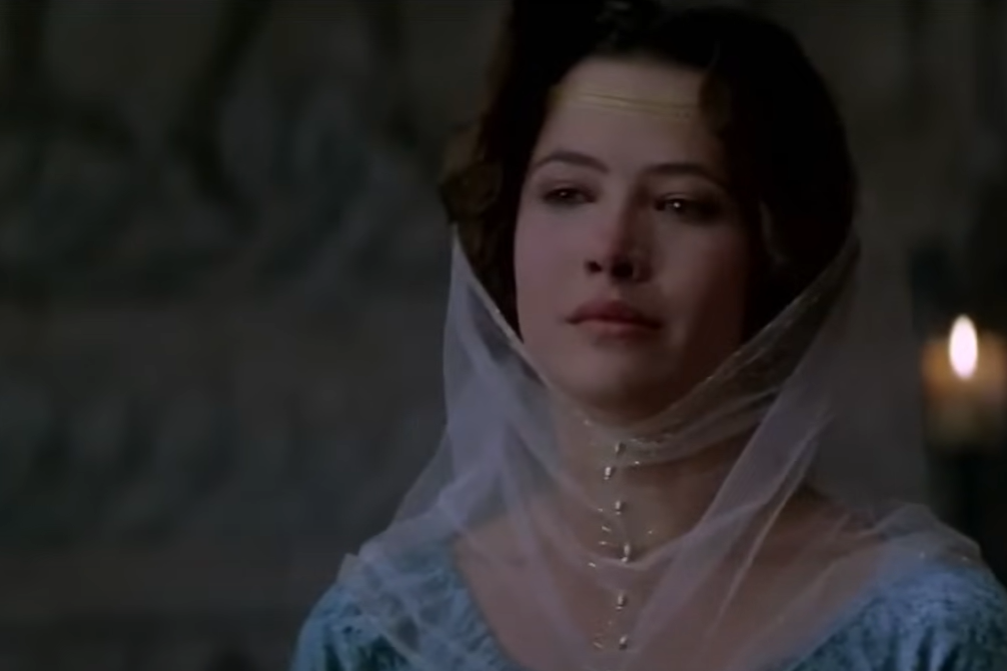
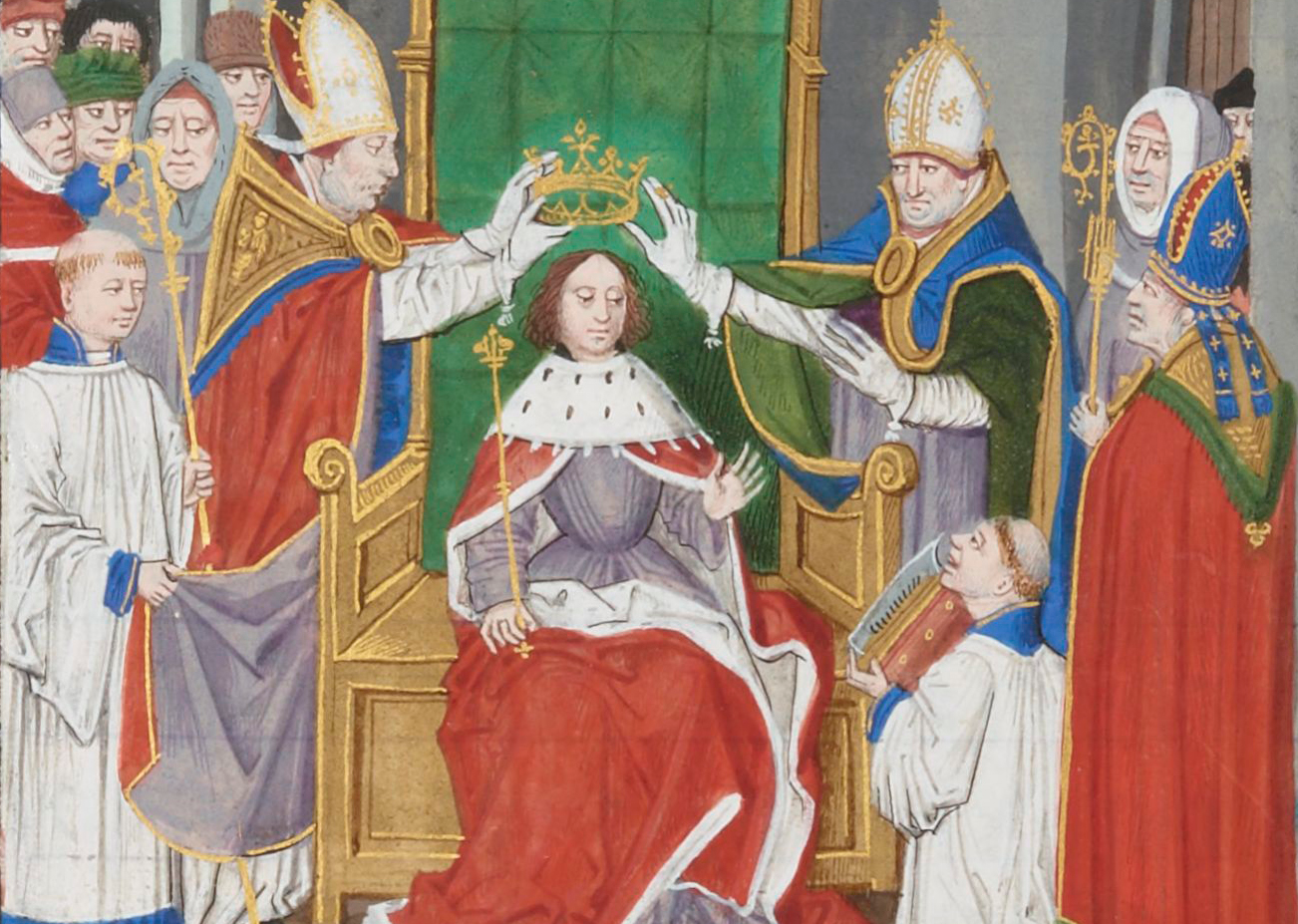
The new Edward III had no love lost for the way his mother and her lover spent the kingdom’s money like water, and even less for her mother’s lover himself. It all came to a dramatic climax: Bare days before Edward III turned 18 and officially came into his own, he had Mortimer and Isabella seized inside Nottingham Castle.
Isabella understood immediately what was happening.
 Loyset Liédet, Wikimedia Commons
43. Her Loved Perished
Even as they were dragged away, Isabella begged her son to spare Mortimer’s life, throwing herself down and his feet and crying, “Fair son, have pity on gentle Mortimer!”. It was no use: Edward III had Mortimer hanged in November 1330, with his body displayed on the gallows for the public to witness for two days afterward.
The consequences for Isabella were stark.

44. She Broke Down
Isabella managed to save her own skin in this debacle, thanks quite likely to being the mother of the king, and only received a bout of house arrest at Windsor castle. But the true punishment was invisible. There is some evidence she suffered a nervous breakdown after Mortimer’s end, and it took some time for her to regain her health.
In the end, though, nothing could stop Isabella’s indomitable spirit.
45. She Was A Glamorous Grandma
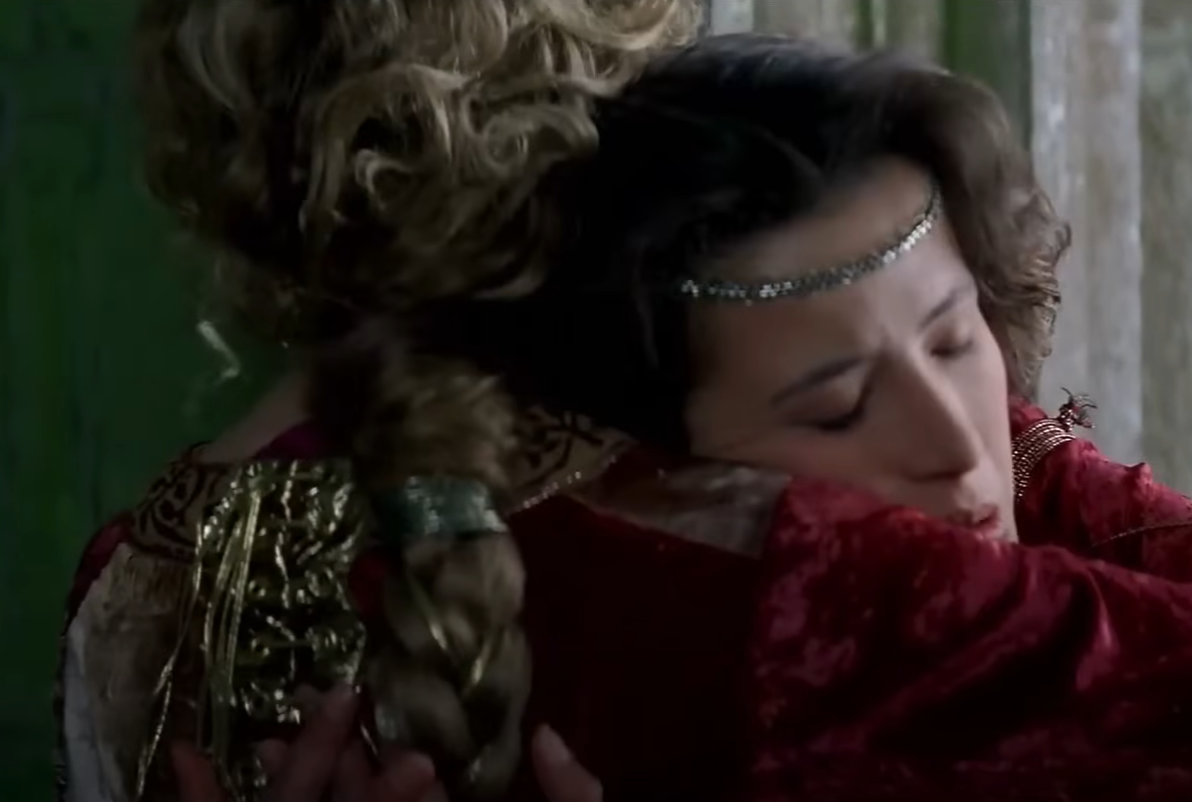
For her next golden years, Isabella remained a fixture at court, and was, to nobody’s surprise, something of a social butterfly. She retained her interest in jewels and amassing wealth, and soon doted on her grandchildren.
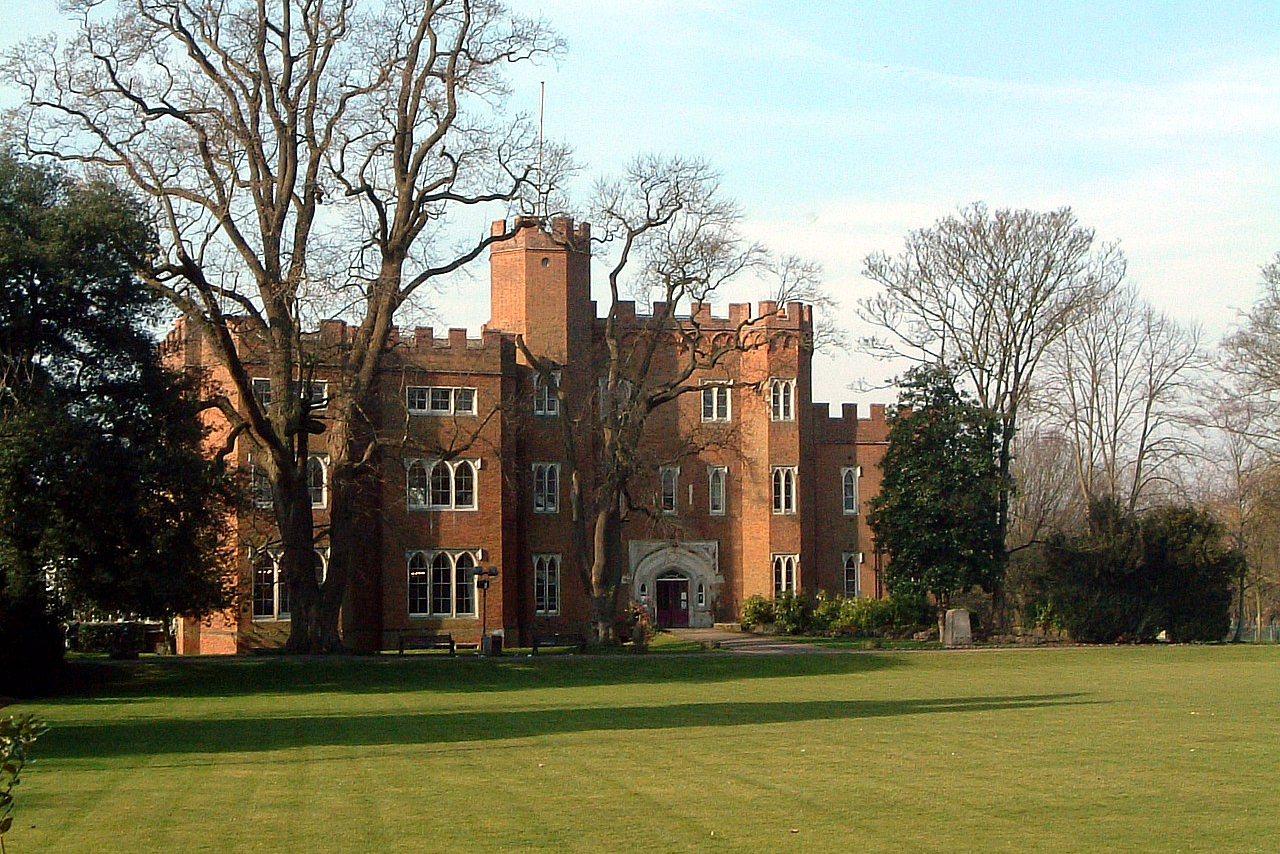
After a life almost too well lived, she passed quietly at Hertford Castle in her early 60s.
 Caitlin, CC BY 2.0, Wikimedia Commons
46. She Got Set On Fire
Back in their better, earlier days, King Edward II and Isabella had been relying on the support of Isabella’s family in France to assert their power, and in 1313 they made a visit to Paris to look their patrons in the eye. On the way over, disaster struck. Isabella sustained injuries when her tent burned down—and as it turned out, this was a bad omen for worse to come.
47. She Made A Disturbing Discovery
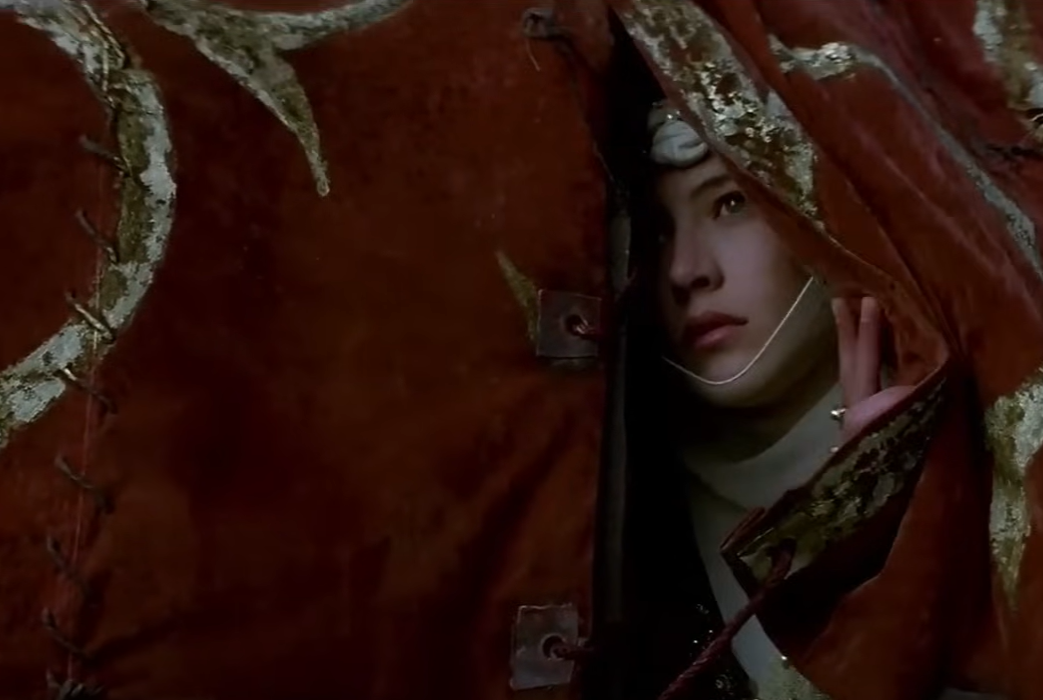
While visiting with her brothers in France, Isabella gave them and their wives special embroidered purses. Edward and Isabella had a nice visit, went back to London, and thought nothing more of it. Until one fateful day. While at her return dinner months later, Isabella spotted two strange knights wearing her specially made purses.
It drove Isabella to a chilling conclusion.

48. She Told On Her Sisters-In-Law
Watching the knights saunter around with her purses on their belts, Isabella realized her brothers’ wives must be carrying on affairs with these men. In a world where legitimate heirs were everything, this was no mere gossip item; female infidelity meant a destabilization of succession.
Troubled, Isabella told her father her suspicions when she saw him next. That’s when the situation exploded.
49. She Started A Scandal
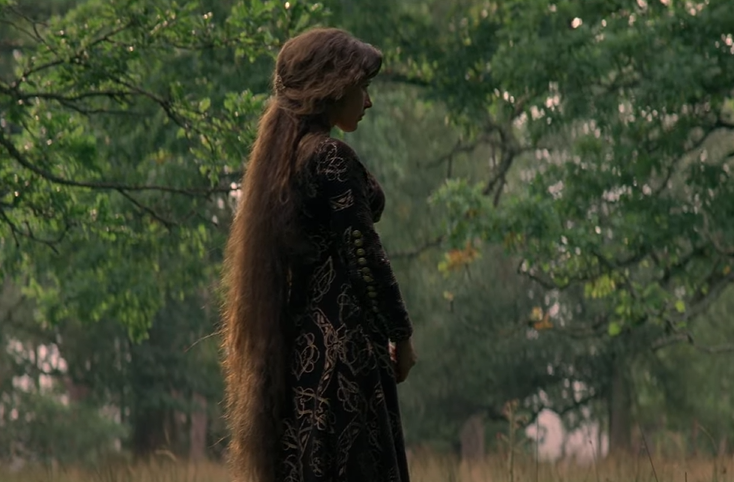
Isabella’s father Philip was incensed at what he heard—and his response was devastating. It brought about the scandalous “Tour de Nesle” affair, so called because of the supposed place where the wives met their illicit lovers. After surveying the knights and determining there likely had been an affair, the French court charged the women and men alike with adultery. Their punishment was draconian.
 Eugène Viollet le Duc, Wikimedia Commons
50. She Caused Two Deaths
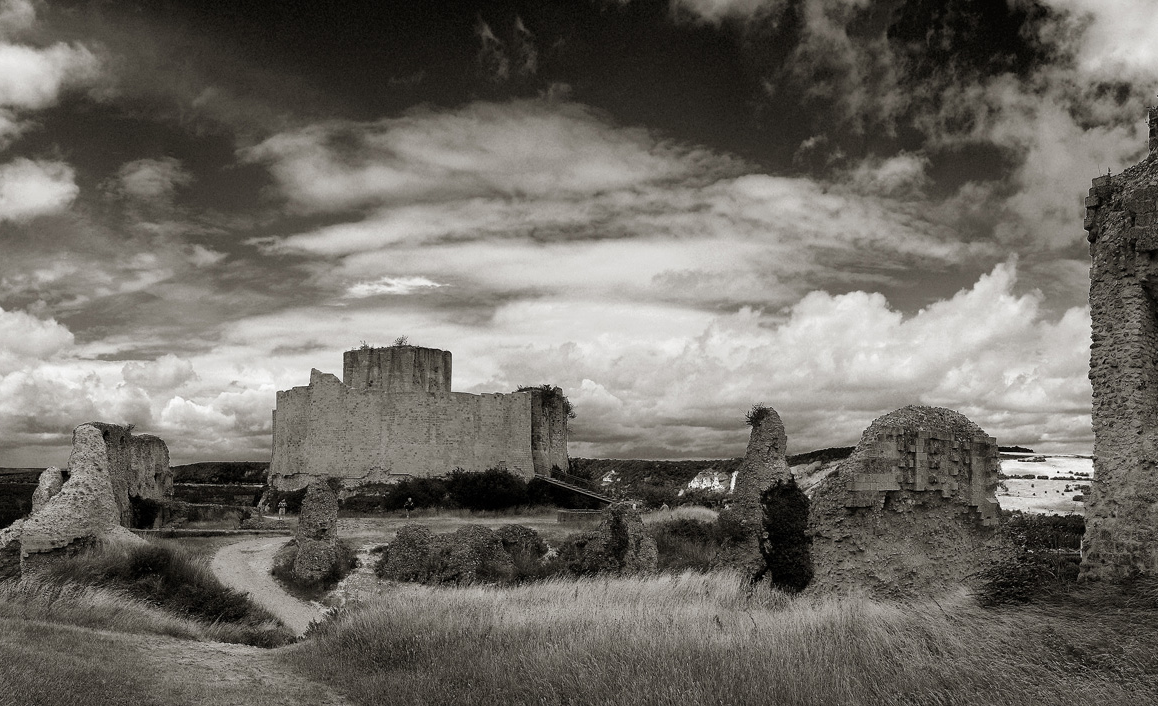
In the wake of the Tour de Nesle Affair, Isabella’s sisters-in-law had their heads shaved and were sentenced to a life behind bars. Their knights fared much worse: After undergoing torments, they were then executed, likely by the brutal method of drawing and quartering. All because Isabella had a sharp eye.
Plus, it was a viciously ironic turn of events given Isabella’s own future infidelity.
 Thomas Ulric, CC BY 2.0, Wikimedia Commons